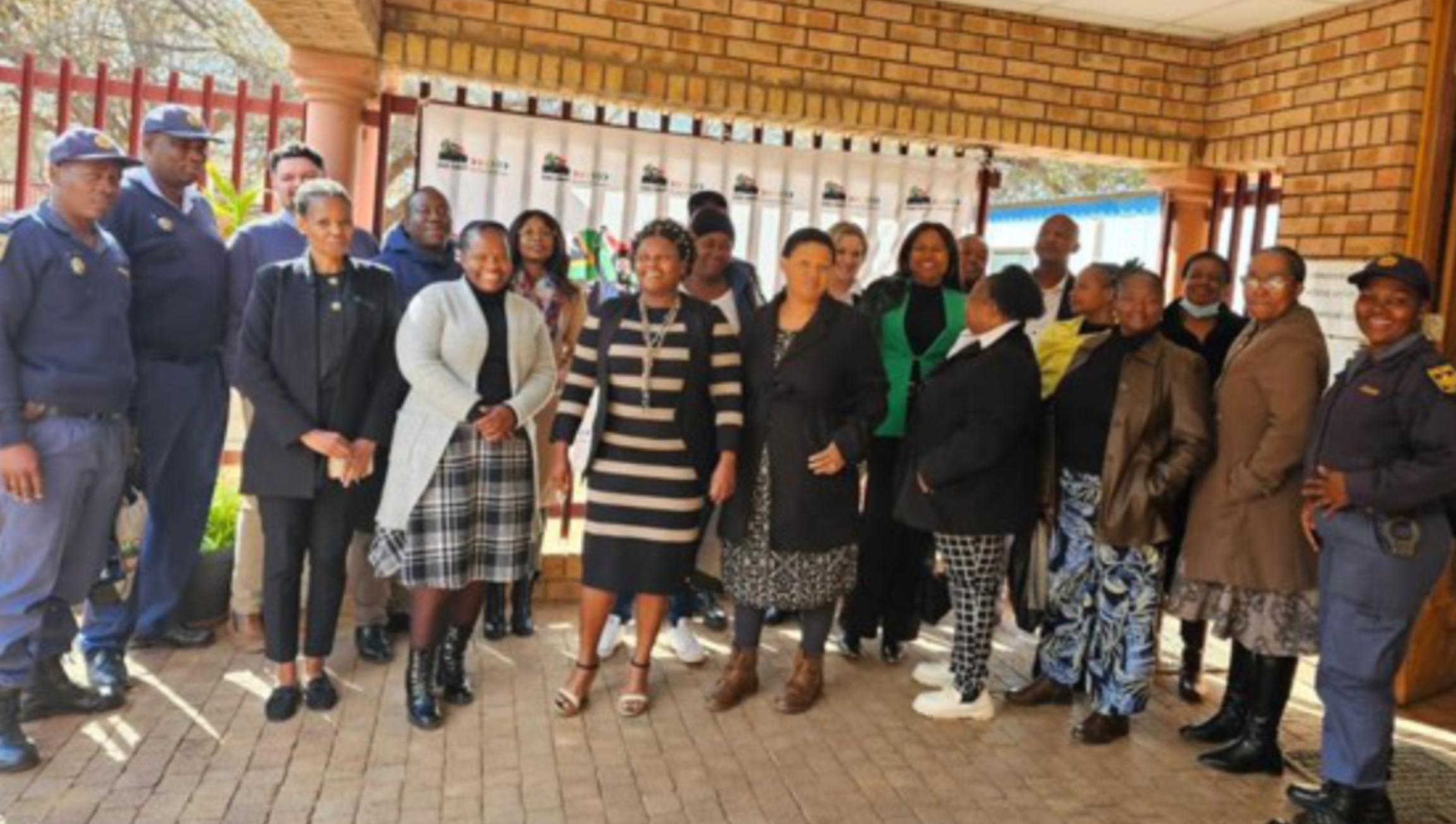
Lephalale Magistrate’s Court: divorce backlog cut by 76% in 100 days
Chris
A backlog is not an administrative figure. For a woman waiting on a maintenance order, it is months without the money that feeds her children. For a survivor waiting on a sexual offence matter, it is months of living alongside an unresolved case. Lephalale carried backlogs across four case types at once, and the turnaround times on the two most urgent categories sat at a month.
The 100-Day goal
Clear the domestic violence and maintenance backlogs entirely, improve turnaround times, cut the sexual offence backlog by 70% and the divorce backlog by 60%.
The Results
Divorce backlog: 320 cases down to 74, a 76% reduction against a 60% target.
Sexual offence backlog: 29 cases down to 9, a 69% reduction, landing just short of the 70% they set.
Domestic violence turnaround: 30 days down to 21.
Maintenance turnaround: 30 days down to 14, half the time it took before.
The maintenance figure is the one that changes a household. Two weeks instead of a month is the difference between a woman staying and a woman being able to leave.
Who did the work
The court’s own staff, across the domestic violence, maintenance, sexual offences and divorce streams, working as one team rather than four separate rolls.
How they did it
The team’s read was that the backlog was not a single problem with a single fix. It sat across four case types, each with its own bottleneck, and the only way through was to hold every stakeholder in the process to the same 100-day clock at the same time. That commitment across the full chain is what let them push volume through instead of clearing one category while the others aged.
Alongside the court work, they ran two outreach programmes at two local schools. The court did not wait for cases to arrive. It went to the point where young people are forming their understanding of what is reportable and what is not.
What continues
Lephalale has committed to a second 100-Day Challenge. The turnaround times set during the sprint are now the court’s working standard rather than a target, and the outreach relationship with the two schools gives the court a route into the community it did not have before day one.
Share the Post:
Thought starter reflection questions
Jot down thoughts on these questions – to the extent they are relevant to your experience at the session:
When did the mood in the event shift from “why are we here?” to “this could be interesting – I am excited to be part of this.” What triggered this shift?
When did you have to go “off script” on the agenda or to change the agenda? What triggered this? What did you adjust? How did it go?
What was most surprising to you at the event?
What new insights did you gain about the issue at hand, and about the way leaders in the system interacted with each other?
Where did the conversation get stuck? What got it unstuck?
How would you characterise the level of trust among participants in the meeting? To what extent did this shift as the meeting progressed? To what do you attribute this shift, if indeed it happened?
Thought starter...
Reflection Questions
Jot down thoughts on these questions – to the extent they are relevant to your experience at the session:
When did the mood in the event shift from “why are we here?” to “this could be interesting – I am excited to be part of this.” What triggered this shift?
When did you have to go “off script” on the agenda or to change the agenda? What triggered this? What did you adjust? How did it go?
What was most surprising to you at the event?
What new insights did you gain about the issue at hand, and about the way leaders in the system interacted with each other?
Where did the conversation get stuck? What got it unstuck?
These are 100-Day Challenge Mentors.
They did some work before you received the Challenge Note. This included:
Writing the Challenge Note, and making sure that the leaders of all the organisations represented on the team are comfortable with it – and committed to supporting the work of the team
Helping the leaders of these organisation recruit you and your colleagues to the team
Gathering some baseline data and other information that will help you and your teammates set your 100-Day goal and develop your plan.
Making sure all the preparations are made for a successful Lift-Off workshop, when you and your teammates will meet and get your 100-Day Challenge started. This includes venue, facilitation support, food, swags, comms, travel arrangements and whatever else is needed.
Mentors will participate in all or part of the Lift-Off Workshop, mostly at the start to provide context and answer questions, and at the end to give you and your teammates feedback about the goal and plan you develop.
During the 100 days following the Lift-Off Workshop, here’s what the Mentors will do:
They will check in every two weeks with the team leaders to see how the team is doing and what support they and the team need.
They will keep other organisational leaders informed and engaged during the 100 days, and pull them in to help as needed.
They will participate in the last part of the Refuelling Workshop, halfway through the 100 days, to see what additional support the team needs, and to begin to plan with the team for sustainability and scale-up.
They will work with the team at the Sustainability Workshop to finalise recommendations on sustaining the results and building on the work of the team.