


The 100-Day goal
Rather than one implementation plan, the ministry launched nineteen separate 100-day projects across water services, land reclamation and irrigation. The permanent secretary chose projects that were measurable in progress and would show immediate results.

The Results
Monthly revenues at the Athi Water Service Board rose by 160%.
Accounts with functional meters at the Nakuru Water Service Company rose by 56%.
Time to process smaller procurement orders at the Nairobi ministry office was halved.
Farmers with access to irrigation canals under the Nkando Irrigation Project rose from 117 to 186 inside the 100 days.
In Eldoret, water lost to leakage and theft fell from 40% to 32%. The team had set 25% and missed it.
Who did the work
Teams of eight to twelve civil servants each, working across Nairobi, Nakuru and Eldoret. Nadim Matta of Schaffer Consulting supported eight locally hired coaches, selected competitively from around a hundred applicants and trained by Schaffer.

How they did it
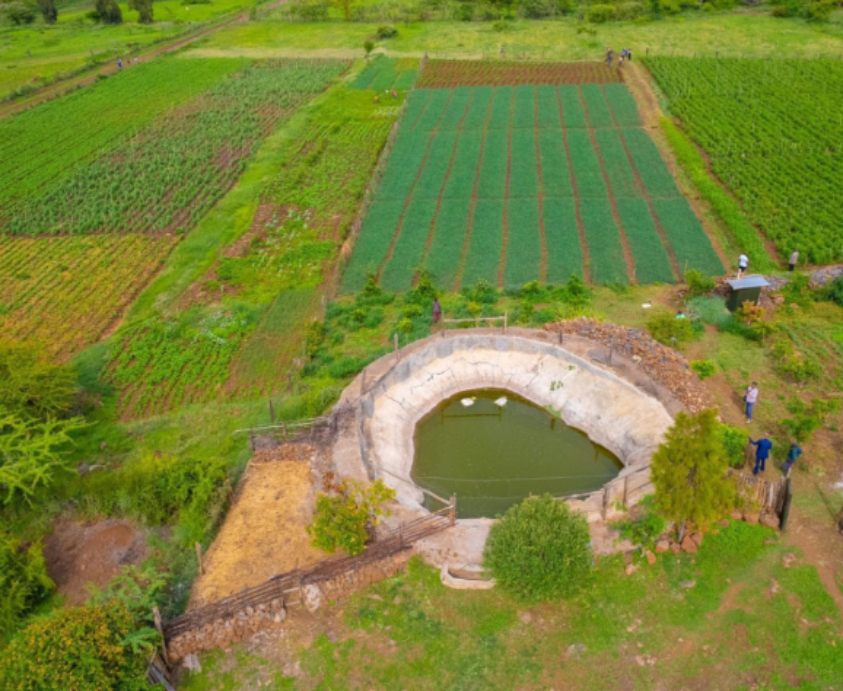
Teams created water boards, streamlined payment collection, reduced leakage from ageing pipes and curbed theft. Others rehabilitated semi-arid and gully areas and built small-scale community irrigation.
The selling point to ministry leaders was that the work needed no extra resources beyond coaching costs, which ran between 150 and 300 US dollars a day depending on the coach’s experience.
It was not light work. Team leaders travelled back to report progress, a full day each month went to assessing results, and there were continuous meetings to clear bottlenecks in staffing, procurement, money, or something as ordinary as a broken vehicle.
Competition between teams did more than any incentive scheme. Token gifts were handed out and teams went back to their departments calling themselves the champions.

What continues
Other ministries watched the water pilots and asked for the same support. By 2008, Rapid Results was running in 25 of 30 ministries with around 580 teams. By 2012 it had reached more than half of 42 ministries, all 175 local authorities, 45 state corporations and three of six public universities. A 2007 circular from the head of the public service made it mandatory for meeting performance contract targets.
The case names what made replication possible: locally trained coaches who had done the work in the water ministry were available to carry the method elsewhere.

