


Cleveland, Ohio: 105 young people housed in 100 days

Cuyahoga County was producing homelessness at a predictable rate and then treating it as a surprise. Young people aged out of foster care each year and a substantial share of them landed in shelters or on the street within a few years. The county knew this was happening. What it did not have was a way to see who those young people were, one by one, in time to do anything about it.

The 100-Day goal

House 100 homeless young people aged 18 to 24, with particular focus on those with Department of Children and Family Services involvement. The second half of the goal was the harder half: strengthen existing systems so that from day 66 onwards, no young person would age out into homelessness in Cleveland or Cuyahoga County.

The results

Housing was found for 105 young people, primarily through family and friends and through rapid rehousing.

On the prevention side, young people aging out of care during the period left with housing plans rather than hopes. Eight foster youth were presented to case review for termination. Five were referred back to their social worker for a more robust housing plan. Three quarters of youth removals from custody were deferred pending a proper plan.

Cleveland ran alongside Austin and Los Angeles. Across the three, 428 young adults moved into housing.

Who did the work

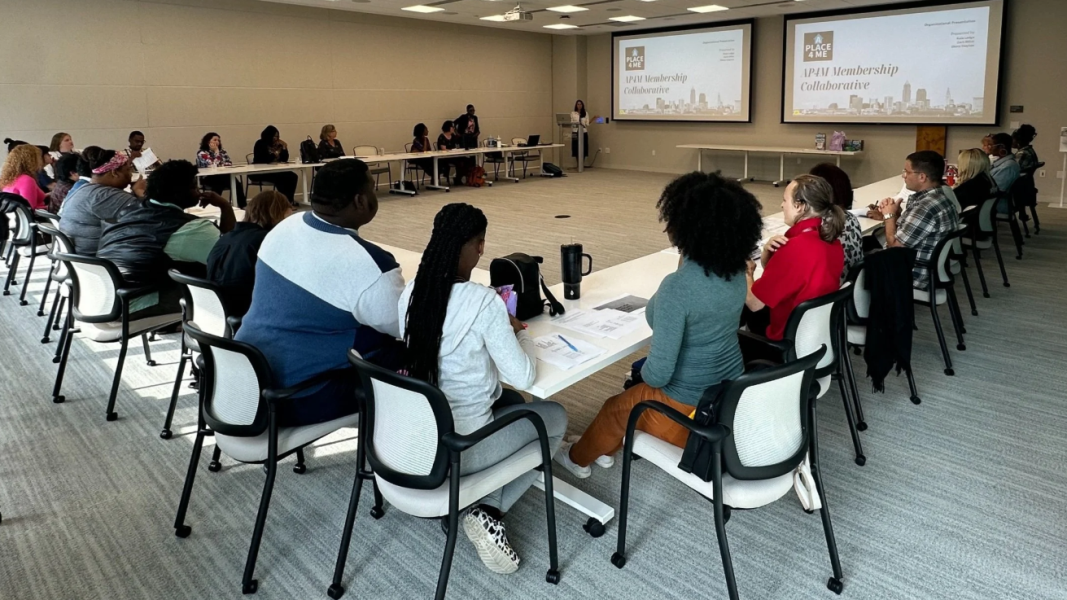
A Place 4 Me led, a Cuyahoga County collaborative bringing together the organisations already working on youth homelessness, with the Sisters of Charity Foundation of Cleveland on its steering committee.

How they did it

The team built an accurate by name list of every young person currently homeless. Until you know who they are, you are housing a category rather than a person. They then created navigator roles so that every young person on that list had someone working alongside them.

A universal assessment tool, expanded coordinated entry and community case conferencing meetings replaced sideways referrals with agencies solving individual cases in the same room. Data moved across organisational lines, and new tracking followed not just how many were housed but whether the housing held.

Housing programmes rewrote intake procedures to keep pace. Child welfare improved how it identified young people at risk. Youth Advisory Councils put young people into the room where policy was decided.

Most of the 105 went home to family or friends. The team’s real work was rebuilding those relationships rather than finding new stock.

What continues

The 100 days were followed by a deliberate two-month consolidation phase, in which the team and its sponsors worked with system leaders to embed what had changed. The by name list, the navigators, the assessment tool and the case conferencing all outlived the sprint.

Share the Post:

Thought starter reflection questions

Jot down thoughts on these questions – to the extent they are relevant to your experience at the session:
  • When did the mood in the event shift from “why are we here?” to “this could be interesting – I am excited to be part of this.” What triggered this shift? 
  • When did you have to go “off script” on the agenda or to change the agenda? What triggered this? What did you adjust? How did it go?
  • What was most surprising to you at the event?
  • What new insights did you gain about the issue at hand, and about the way leaders in the system interacted with each other?
  • Where did the conversation get stuck? What got it unstuck?
  • How would you characterise the level of trust among participants in the meeting? To what extent did this shift as the meeting progressed? To what do you attribute this shift, if indeed it happened?

Thought starter...

Reflection Questions 

Jot down thoughts on these questions – to the extent they are relevant to your experience at the session:

  • When did the mood in the event shift from “why are we here?” to “this could be interesting – I am excited to be part of this.” What triggered this shift? 
  • When did you have to go “off script” on the agenda or to change the agenda? What triggered this? What did you adjust? How did it go?
  • What was most surprising to you at the event?
  • What new insights did you gain about the issue at hand, and about the way leaders in the system interacted with each other?
  • Where did the conversation get stuck? What got it unstuck?
These are 100-Day Challenge Mentors. 

They did some work before you received the Challenge Note. This included:

  • Writing the Challenge Note, and making sure that the leaders of all the organisations represented on the team are comfortable with it – and committed to supporting the work of the team
  • Helping the leaders of these organisation recruit you and your colleagues to the team
  • Gathering some baseline data and other information that will help you and your teammates set your 100-Day goal and develop your plan.
  • Making sure all the preparations are made for a successful Lift-Off workshop, when you and your teammates will meet and get your 100-Day Challenge started. This includes venue, facilitation support, food, swags, comms, travel arrangements and whatever else is needed.


Mentors will participate in all or part of the Lift-Off Workshop, mostly at the start to provide context and answer questions, and at the end to give you and your teammates feedback about the goal and plan you develop.

During the 100 days following the Lift-Off Workshop, here’s what the Mentors will do:  

  • They will check in every two weeks with the team leaders to see how the team is doing and what support they and the team need.
  • They will keep other organisational leaders informed and engaged during the 100 days, and pull them in to help as needed.
  • They will participate in the last part of the Refuelling Workshop, halfway through the 100 days, to see what additional support the team needs, and to begin to plan with the team for sustainability and scale-up.
  • They will work with the team at the Sustainability Workshop to finalise recommendations on sustaining the results and building on the work of the team.